FAQs
-
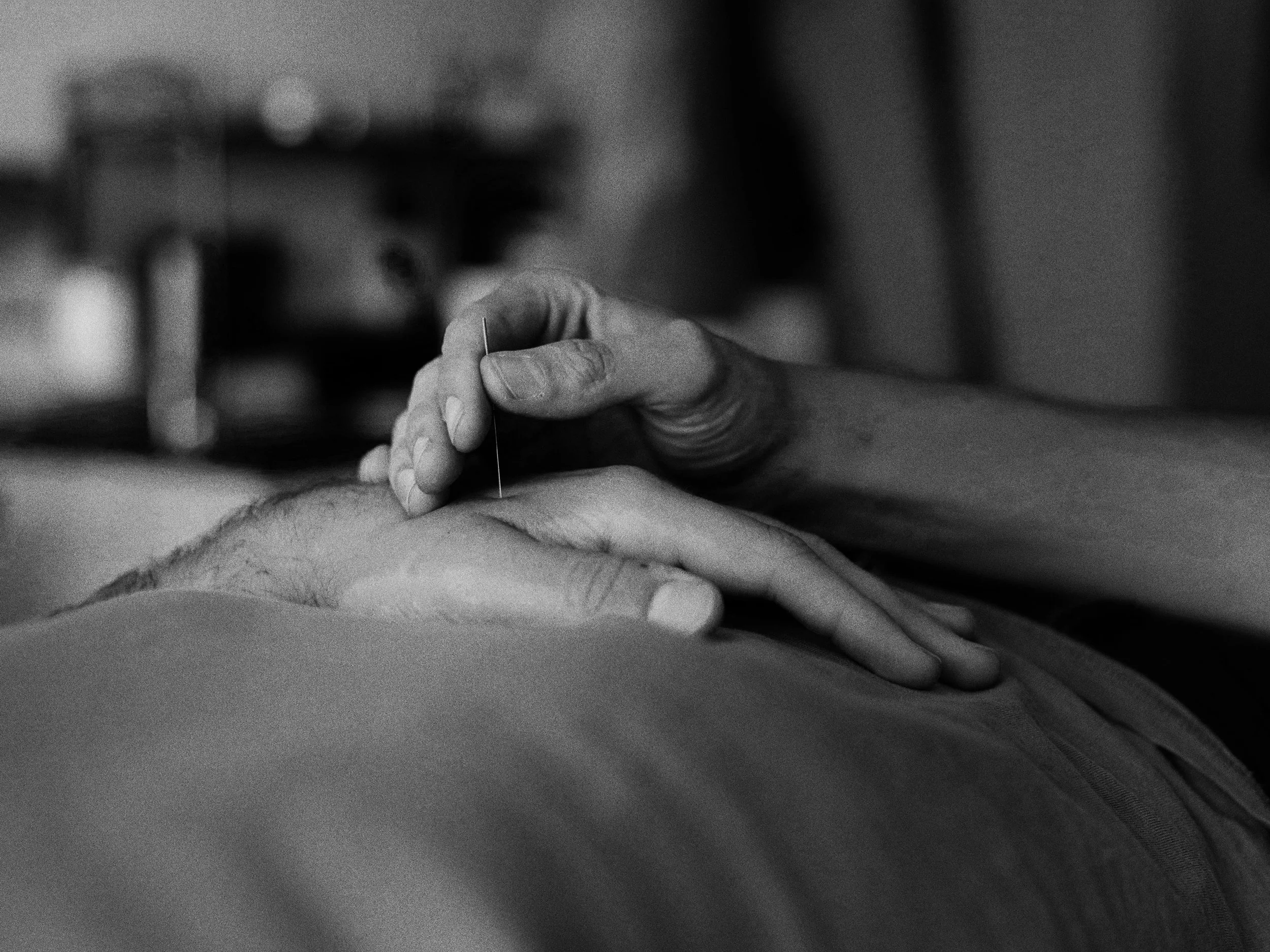
Acupuncture is a treatment that involves inserting very fine, sterile needles into specific points on the body. It comes from East Asian Medicine, where it is used to balance the flow of Qi (vital energy) through pathways called meridians. Many people use acupuncture for pain relief, stress management, and to support general wellbeing.
-
Acupuncture has been researched worldwide and is recommended by the NHS and NICE (National Institute for Health and Care Excellence) for: Chronic pain (such as low back pain, joint pain, and neck pain), migraines and tension-type headaches and post-operative pain
Many people also choose acupuncture to support their health with issues such as:
Stress, anxiety, and sleep problems
Menstrual health and fertility
Digestive disorders
Recovery from fatigue or illness
Research is ongoing in many of these areas, and clinical experience shows that acupuncture may be a valuable part of an integrated approach to health and wellbeing.
-
Most people are surprised at how comfortable acupuncture feels. The needles are extremely thin, much finer than injection needles. You may feel a mild tingling, warmth, or a dull ache (called deqi in East Asian medicine), which is a sign the point is activated. Treatments are generally very relaxing.
-
Yes, when performed by a qualified practitioner, acupuncture is very safe. All needles are sterile, single-use, and disposed of immediately after treatment. Side effects are rare, but you may occasionally experience mild bruising or temporary fatigue.
-
This depends on your condition and overall health. Some people feel better after one or two sessions, while chronic issues may need a course of 6–10 treatments. Your practitioner will suggest a treatment plan tailored to your needs.
-
Your first appointment includes a detailed consultation about your health, lifestyle, and symptoms. The practitioner will look at your tongue and feel your pulse, important diagnostic tools in East Asian medicine. Needles are then placed in carefully chosen points, and you rest comfortably while the treatment works.
-
Ahead of treatment make sure you have eaten and dress in loose clothing. After treatment, where possible avoid alcohol and exercise immediately afterwards and allow time to rest.
-
Yes, acupuncture is safe alongside conventional medicine. Always inform your practitioner about any medication or medical conditions so the treatment can be tailored appropriately.
-
Five Point Ear Acupuncture, also known as the NADA protocol (National Acupuncture Detoxification Association), is a specialised form of acupuncture where five small needles are placed in specific points on each ear.
This protocol is commonly used to:
Reduce stress and anxiety
Support sleep and relaxation
Help with withdrawal symptoms in addiction recovery
Promote overall emotional balance
Because it is simple, safe, and effective, it is often used in group settings such as community clinics, mental health programmes, and recovery centers.
Five Point Ear Acupuncture was first developed in the 1970s at Lincoln Hospital in New York. Community activists, including members of the Black Panther Party and the Young Lords, worked with doctors and acupuncturists to create a natural method to help with drug withdrawal and stress. This simple but effective protocol became known worldwide as the NADA protocol, and is now used in many settings to support wellbeing and recovery.
-
Moxibustion (often called moxa) is an East Asian medical technique where a dried plant called mugwort (Artemisia) is burned near or on acupuncture points. The gentle heat warms and stimulates Qi, helping to ease pain, boost energy, and dispel cold from the body. It can be especially useful for chronic pain, fatigue, digestive weakness, or conditions made worse by cold.
-
Cupping therapy uses special glass, silicone, or plastic cups to create a vacuum on the skin. This draws blood flow to the area, removes dead blood cells, relaxes tight muscles, and promotes circulation of Qi and Blood. It is often used for muscle tension, back pain, sports recovery, and sometimes for respiratory conditions. Temporary circular marks (like bruises) may appear after treatment, but they are harmless and fade within a few days.
-
In the UK, choose a practitioner registered with a professional body such as the British Acupuncture Council (BAcC) or the Association of Traditional Chinese Medicine (ATCM). These organisations ensure high standards of training, safety, and professional ethics.
-
Although both acupuncture and dry needling use fine needles, they are different practices with distinct approaches and training:
Acupuncture (Traditional Chinese Medicine):
Based on a medical system developed over thousands of years in China.
Uses diagnostic methods such as tongue and pulse examination.
Needles are placed in specific acupuncture points along meridians to balance Qi (energy), improve circulation, and support the body’s natural healing.
Aims to treat the whole person, physical, emotional, and energetic health.
Dry Needling (used by some physiotherapists, osteopaths, chiropractors):
A modern technique developed from Western anatomy.
Targets “trigger points” or tight bands in muscles to release tension and reduce pain.
Usually taught in short post-graduate courses (days to weeks), rather than degree-level training.
Focuses mainly on musculoskeletal conditions.
-
Some NHS clinics offer acupuncture for specific conditions (mostly pain management). However, availability is limited. Many private health insurers in the UK (e.g. Bupa, AXA, SimplyHealth) provide cover for registered acupuncturists, check your policy.